
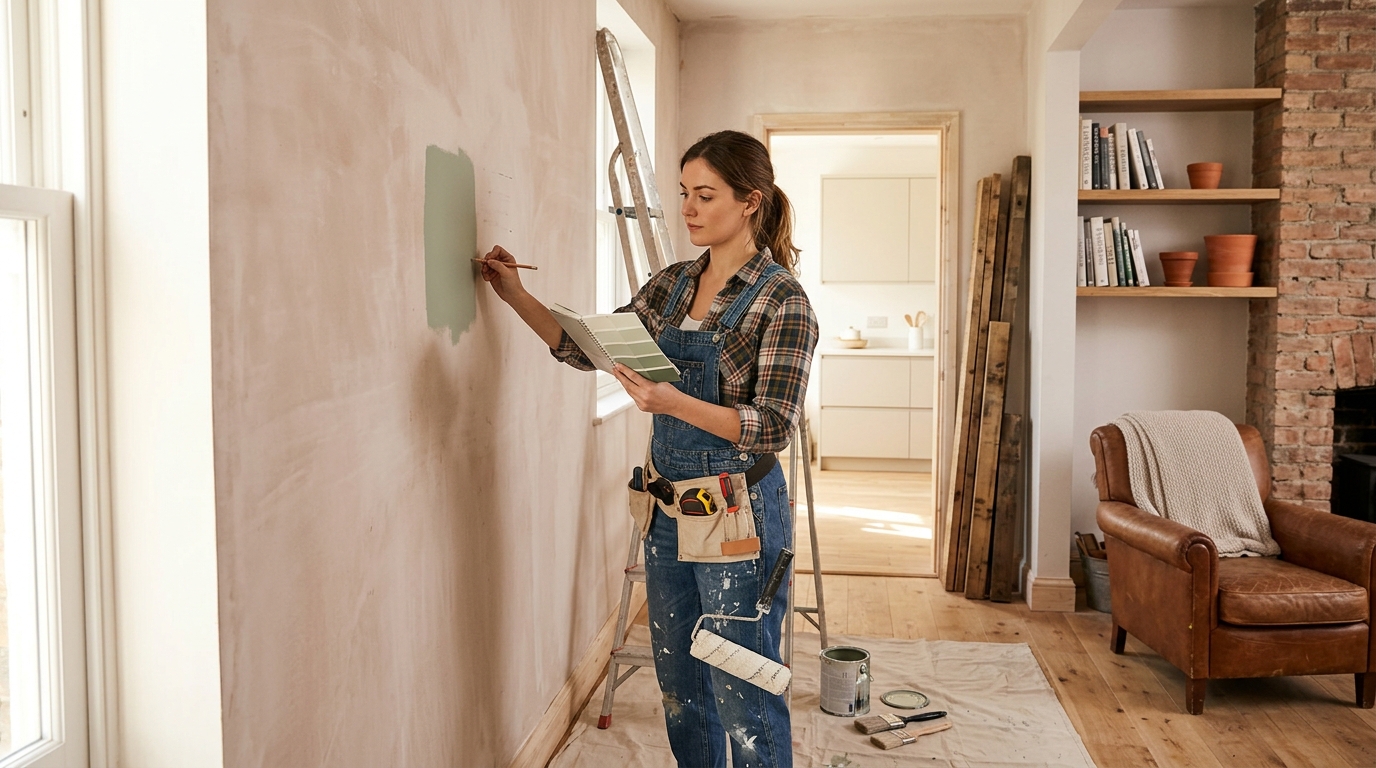
Transforming your home into a sanctuary does not require a professional contractor or an endless budget. Recent industry data indicates that homeowners who undertake strategic DIY projects see an average return on investment of 70 to 80 percent when the work is executed with precision and care. This guide provides the foundational knowledge to execute high-impact renovations safely and effectively. We will explore planning, execution, and the psychological benefits of creating your own living environment. By following these structured steps, you can elevate your property value and personal satisfaction simultaneously.
The Critical Planning Phase
Before purchasing a single hammer or roll of paint, successful renovation begins with a detailed blueprint. DIY is not merely about physical labor; it is about strategic foresight. A well-defined plan prevents costly mistakes and ensures that every dollar spent contributes to the final aesthetic. Research is the first tool in your arsenal. Understanding local building codes and permit requirements is non-negotiable for structural changes.
Start by defining the scope of your project. Is it a cosmetic refresh or a structural overhaul? Cosmetic updates, such as painting or flooring, offer quicker results and lower risk. Structural changes, like moving walls or altering plumbing, require professional oversight in many jurisdictions. Visit our comprehensive planning guide to understand how to map out your timeline and resource needs effectively.
Visualizing the end result is equally important. Create mood boards using digital tools or physical collages. This process helps you identify color palettes, material textures, and furniture styles that align with your vision. It also serves as a communication tool if you decide to hire help for specific tasks. Clarity in design prevents mid-project changes, which are the primary cause of budget overruns. (About)
Essential Tools for Beginners
You do not need a warehouse full of equipment to start. A curated set of high-quality, versatile tools will handle 90 percent of common DIY tasks. Investing in durability pays off in precision and safety. Cheap tools often break under pressure, leading to frustration and potential injury.
The core kit should include a cordless drill/driver, a quality tape measure, a level, a utility knife, and a set of screwdrivers. For more advanced tasks, consider adding a circular saw or a power sander. Explore our curated list of recommended tools that balance performance with affordability. Each tool listed has been vetted for reliability and ease of use for beginners.
Organization is key to maintaining efficiency. Use a sturdy toolbox or a tool belt to keep your equipment accessible. Store batteries and small hardware in labeled containers. This system reduces time spent searching for items and prevents loss. A tidy workspace is a safe workspace. It minimizes tripping hazards and allows you to focus on the task at hand.
Budgeting and Resource Management
Financial discipline is the backbone of any successful renovation. DIY projects often reveal hidden costs once walls are opened or floors are lifted. Establishing a realistic budget with a contingency fund is essential. Industry reports suggest allocating 10 to 20 percent of the total budget for unexpected expenses. This buffer protects you from financial stress when surprises occur.
Track every expense meticulously. Use spreadsheets or dedicated apps to monitor spending against your plan. This practice provides real-time visibility into your financial health. It also helps you make informed decisions about where to splurge and where to save. For example, spending more on high-traffic area flooring may be wise, while saving on decorative accents is acceptable.
Source materials strategically. Compare prices across multiple suppliers. Look for sales, clearance items, or second-hand options for furniture and fixtures. Our smart shopping tips article offers detailed strategies for finding quality materials at reduced costs. Building relationships with local suppliers can also yield discounts and better service.
Safety Protocols and Compliance
Safety must be the top priority in every DIY endeavor. Neglecting safety protocols can lead to severe injury or property damage. Always wear appropriate personal protective equipment (PPE). This includes safety glasses, gloves, and hearing protection when using power tools. Respiratory protection is crucial when sanding or working with insulation.
Understand the electrical and structural limitations of your home. Never attempt to work on live electrical circuits without proper training and certification. If you are unsure about the integrity of a wall or beam, consult a professional. Download our DIY safety checklist to ensure you are prepared for every stage of the project. Compliance with local regulations is not optional; it is a legal requirement that protects your investment.
Keep your workspace clean and well-lit. Poor lighting increases the risk of accidents and errors. Ensure that fire extinguishers and first aid kits are readily accessible. Familiarize yourself with emergency procedures. Being prepared for worst-case scenarios gives you the confidence to work efficiently and safely.
High-Impact DIY Project Ideas
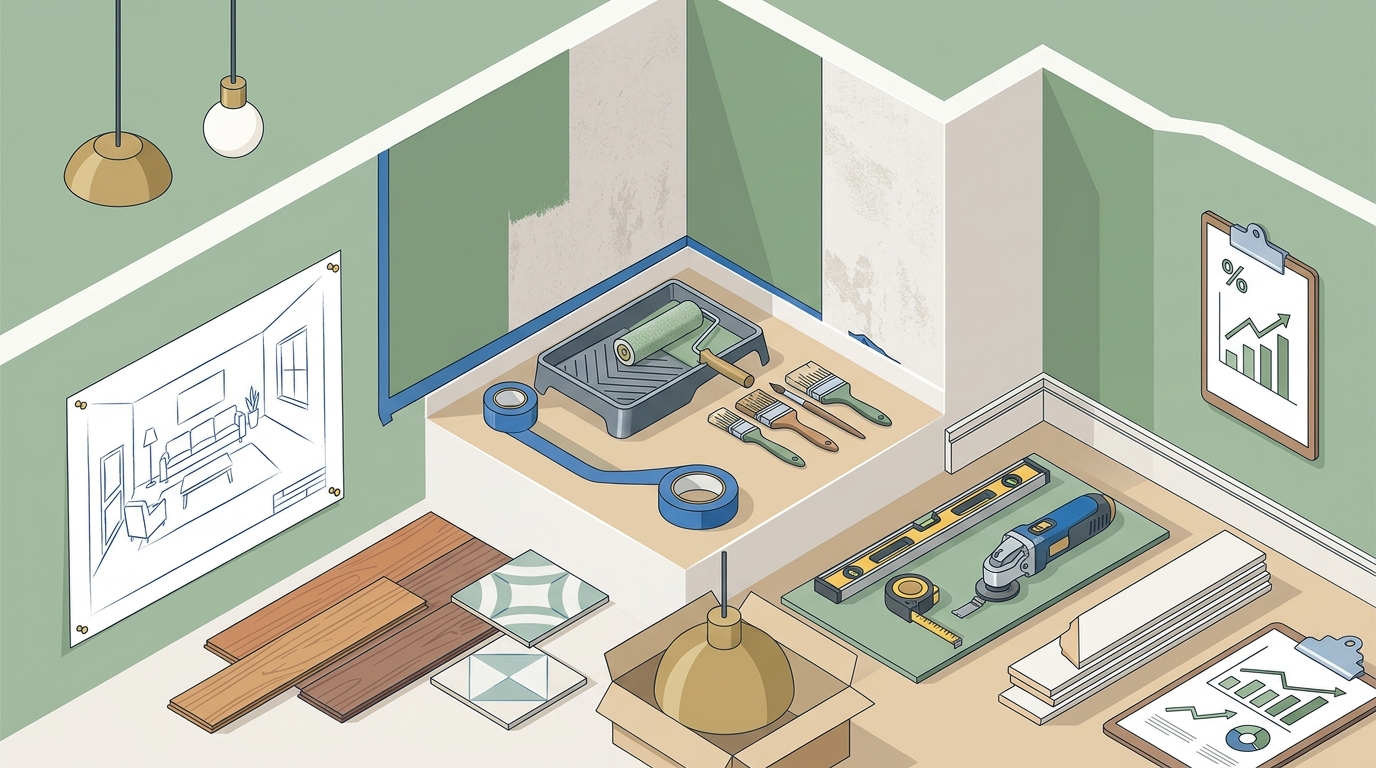
Not all DIY projects are created equal. Some offer higher returns on time and money than others. Focus on projects that enhance functionality and aesthetic appeal. Here is a comparison of high-impact DIY projects to help you decide where to start.
| Project Type | Difficulty Level | Estimated ROI | Best For |
|---|---|---|---|
| Interior Painting | Beginner | High | Quick aesthetic refresh |
| Flooring Replacement | Intermediate | Medium-High | Long-term durability |
| Kitchen Backsplash | Intermediate | Medium | Functional protection |
| Curb Appeal Landscaping | Beginner-Intermediate | High | Property value boost |
Interior painting is often the most cost-effective way to transform a space. A fresh coat of paint can make rooms feel larger, brighter, and more modern. It is a low-risk project that yields immediate visual results. For flooring, consider durable options like luxury vinyl plank (LVP) or engineered wood. These materials offer the look of hardwood with greater resistance to moisture and wear.
Kitchen and bathroom updates typically offer the highest financial returns. However, they also carry higher complexity. Focus on updating fixtures, cabinets, and countertops rather than full remodels. Our guide on maximizing home value details specific strategies for these high-stakes areas. Small changes, like replacing hardware or updating lighting, can significantly elevate the perceived quality of these rooms.
Key Takeaways
- Planning Prevents Costly Errors: Detailed blueprints and timelines are essential for staying within budget and schedule.
- Quality Tools Matter: Investing in durable, versatile tools ensures precision and safety throughout the project.
- Budget Contingencies are Vital: Always allocate 10-20 percent of your budget for unexpected expenses to avoid financial stress.
- Safety is Non-Negotiable: Proper PPE and adherence to local codes protect both you and your property.
- High-Impact Projects Vary: Painting and landscaping offer high ROI with lower risk, while kitchen updates require more expertise.
- Resource Management is Key: Smart shopping and organization reduce costs and improve workflow efficiency.
- Professional Consultation is Wise: Knowing when to call an expert for structural or electrical work saves money in the long run.
Frequently Asked Questions
Is DIY renovation suitable for beginners?
Yes, many DIY projects are designed for beginners. Starting with low-risk tasks like painting or simple landscaping builds confidence and skills. Always start with a clear plan and appropriate safety gear.
How much can I save by doing my own renovation?
Homeowners can save between 30 to 50 percent on labor costs by undertaking DIY renovations. The exact savings depend on the complexity of the project and the local cost of professional services.
Do I need permits for DIY projects?
Permits are required for structural changes, electrical work, and plumbing modifications. Cosmetic updates like painting or flooring typically do not require permits. Check local regulations before starting.
What is the most cost-effective DIY project?
Interior painting is widely considered the most cost-effective DIY project. It offers a high visual impact for a relatively low material cost and minimal skill requirement.
How do I handle unexpected issues during renovation?
Unexpected issues are common in renovation. Maintain your contingency budget and stay calm. Assess the issue, research solutions, and consult a professional if the problem exceeds your skill level.
Can DIY increase my home's value?
Yes, strategic DIY renovations can significantly increase home value. Projects that improve functionality and curb appeal, such as kitchen updates and landscaping, offer the highest returns.
What safety equipment is essential for DIY?
Essential safety equipment includes safety glasses, gloves, hearing protection, and respiratory masks. The specific gear depends on the task, but these items provide baseline protection against common hazards.
Start Your Transformation
Your dream home is within reach. By embracing the DIY mindset, you take control of your living environment and your financial future. The journey of renovation is as rewarding as the result. It teaches valuable skills, fosters creativity, and creates a space that truly reflects your personality. Do not let fear or uncertainty hold you back. Start small, plan carefully, and execute with confidence.
Ready to begin your journey? Contact Inspired Living today to schedule a consultation or explore our full range of renovation resources. We are here to support you every step of the way. Visit inspiredliving.tv to discover more ideas and inspiration for your next project.