

Step-by-Step Guide to Launching Your First Video Marketing Campaign as a Small Business
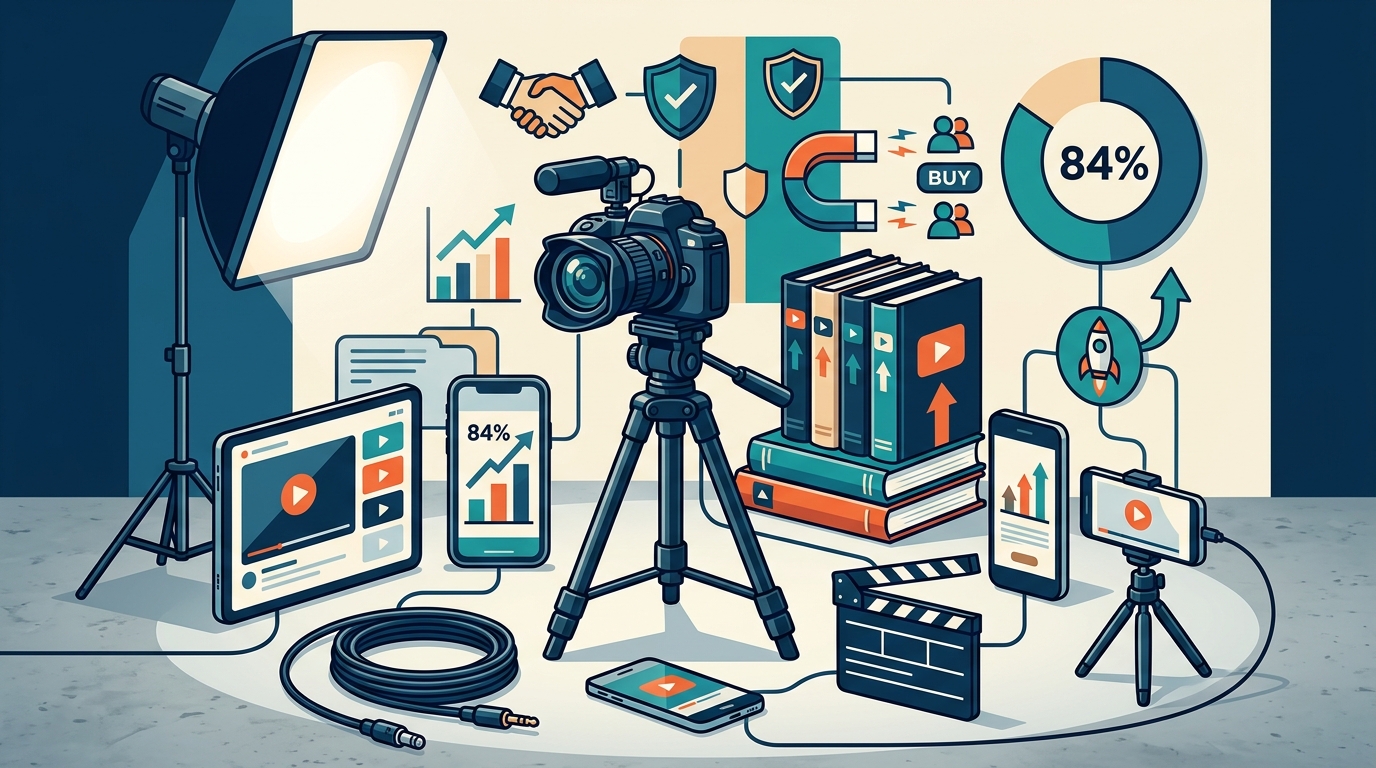
Video marketing is no longer optional for small businesses; it is the primary driver of digital trust and conversion. 84% of people say a brand’s video convinced them to buy a product or service according to industry data. This statistic highlights a critical reality: if your business lacks video assets, you are silently ceding market share to competitors who have mastered visual storytelling. For small business owners, the barrier to entry has never been lower, yet the strategic gap remains wide. This guide provides a structured, actionable pathway to launching your first high-impact video campaign without requiring a Hollywood budget or a large team.
Define Video Marketing for Your Niche
Before picking up a camera, you must understand what video marketing actually is. Video marketing is the strategic use of video content to promote a brand, educate an audience, and drive measurable business growth. It is not merely about posting random clips on social media. It is about creating high-trust assets that sell for you 24/7. For small businesses, this often means overcoming the "Invisible Expert" syndrome where you have world-class service but a startup-level visual brand.
Many small business owners struggle with a "Content Bottleneck." Your sales team repeats the same pitch manually because you lack the video assets to handle initial objections and build rapport automatically. By defining your video strategy around solving specific customer pain points, you shift from being a commodity to becoming an authority. This clarity is the foundation of the IT Factor Method, a proprietary framework designed to help experts stand out through magnetic messaging and authentic visibility as detailed in expert guides.
Audit Your Current Digital Presence
Your first step in the launch process is a brutal audit of your current digital footprint. Are you letting less-qualified competitors win simply because they are more visible? Being the best-kept secret in your industry is costing you more than you realize according to market analysis. Look at your website, LinkedIn, and social channels. Do they feature video? If not, you are missing out on significant engagement opportunities.
Check your current engagement metrics. Are your text-heavy posts getting traction? If not, it is a signal that your audience prefers visual consumption. This audit helps you identify the "Authority Gap." You may have the expertise, but if your visual brand does not reflect that authority, high-ticket prospects will not convert. Use this audit to pinpoint exactly where video can fill the trust void in your customer journey.
Choose the Right Video Platform
Not all video platforms serve the same purpose. Your choice depends on where your ideal clients spend their time and what format they prefer. For small businesses, the primary battlegrounds are YouTube, LinkedIn, and Instagram.
YouTube: The Search Engine of Video
YouTube is the second largest search engine in the world. Video content is 53x more likely to appear on the first page of Google when optimized correctly. If your goal is long-term organic traffic and evergreen authority, YouTube is non-negotiable. It allows you to host detailed tutorials, case studies, and brand stories that continue to generate leads years after publication.
LinkedIn: B2B Authority Building
For B2B small businesses, LinkedIn is critical. Short-form video here builds personal brand authority and connects you directly with decision-makers. It is less about viral entertainment and more about professional credibility.
Instagram: Visual Connection
Instagram Reels and Stories are essential for brands that rely on visual aesthetics and direct consumer connection. They offer high engagement but shorter lifespans for content.
Create High-Trust Video Content
Creating your first video campaign does not require expensive equipment. It requires clarity and authenticity. The goal is to get off script and connect human-to-human. AI is awesome but it can’t take the place of human connection in building genuine trust. Your audience wants to see the face behind the business.
Step 1: Define Your Core Message
What is the one problem you solve better than anyone else? Your first video should address this directly. Use the "no-script formula" to speak naturally. This approach helps you appear professional yet approachable, which is crucial for conversion.
Step 2: Set Up a Simple Studio
You do not need a studio. A quiet room, good natural lighting, and a smartphone camera are sufficient to start. Video marketing is the strategic use of video content to promote a brand, educate an audience, and drive measurable business growth through accessible means. Focus on audio quality; viewers will forgive mediocre video, but they will click away from bad audio.
Step 3: Produce Your First Assets
Start with three core videos:
- The Introduction: Who you are and why you exist.
- The Problem Solver: A specific solution to a common client pain point.
- The Social Proof: A case study or testimonial video.
Optimize for Search and Visibility
Creating the video is only half the battle. You must ensure it is discoverable. This is where Search Engine Optimization (SEO) meets video marketing. Video marketing is the strategic use of video content to promote a brand, educate an audience, and drive measurable business growth by capturing intent-driven traffic.
Optimize your video titles, descriptions, and tags with keywords your ideal clients are searching for. Embed your videos on your website, particularly on service pages and blog posts. This increases dwell time, which is a key ranking factor for Google. 80% higher conversions are seen on landing pages with videos due to their ability to grab attention. By embedding video on your site, you not only boost SEO but also increase the likelihood of conversion.
Measure and Iterate
Launch is not the end; it is the beginning of a feedback loop. You must track the right metrics to understand your campaign's impact. Do not just look at views. Look at engagement, click-through rates, and conversion rates.
300% higher click-through rates can result from including a video in an email driving more traffic to your website. Use this data to refine your strategy. If a video performs well, create a series. If it underperforms, analyze the hook and the message. Consistency is key. With over a decade of proven results and thousands of entrepreneurs served by industry leaders, the pattern is clear: those who show up consistently win.
Key Takeaways
- 84% of people say a brand’s video convinced them to buy a product or service, making video essential for conversion.
- Video content is 53x more likely to appear on the first page of Google when optimized for search intent.
- 80% higher conversions are observed on landing pages that feature video compared to text-only pages.
- 300% higher click-through rates can be achieved by embedding video directly in email marketing campaigns.
- The IT Factor Method provides a proprietary framework for experts to clarify their message and scale visibility.
- Human connection cannot be replicated by AI; authentic on-camera presence is a key differentiator for small businesses.
- Over 10 years of results demonstrate that consistent video marketing builds long-term authority and revenue.
Frequently Asked Questions
How much does it cost to start a video marketing campaign?
You can start with zero budget using a smartphone and natural lighting. The primary investment is your time and consistency, not expensive equipment. Many small businesses achieve a 10x return on investment by focusing on strategy over gear.
How often should I post video content?
Consistency matters more than frequency. Start with one high-quality video per week. As you scale, you can increase to daily short-form content. The key is to maintain a predictable schedule that your audience can rely on.
Do I need to be on camera to do video marketing?
While being on camera builds stronger trust, you can start with voiceovers and screen recordings. However, showing your face significantly increases authority and connection. Video marketing is the strategic use of video content to promote a brand, educate an audience, and drive measurable business growth through authentic representation.
What is the best platform for small business video?
YouTube is best for long-term search visibility and evergreen content. LinkedIn is best for B2B authority. Instagram is best for visual brand building. A multi-platform approach often yields the best results.
How do I measure the success of my video campaign?
Track engagement metrics like watch time, click-through rates, and conversion rates. 84% of people say a brand’s video convinced them to buy, so focus on how video influences the decision-making process rather than just view counts.
Ready to Launch Your Video Campaign?
Stop letting less-qualified competitors win simply because they are more visible. The time to act is now. Schedule a visibility call with Inspired Living to explore your goals and gain clarity on your path forward. Book your 15-minute connection call today and start building the authority your business deserves.