

How to Measure the Success of a Video Marketing Campaign
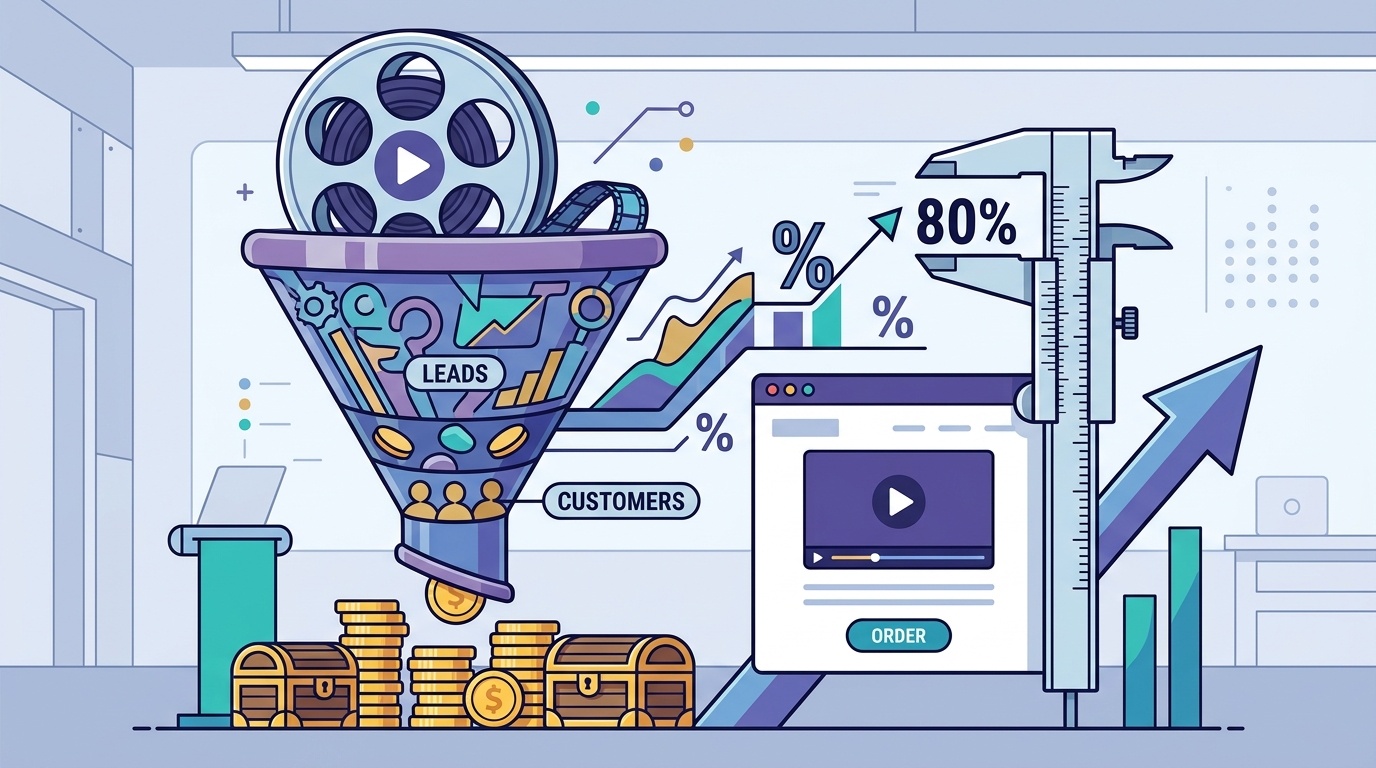
Video marketing is no longer optional; it is the primary driver of digital trust and conversion. According to industry data, landing pages with video see 80% higher conversions compared to those without. This statistic highlights a critical reality: visibility alone does not guarantee revenue. To truly understand the impact of your video strategy, you must move beyond vanity metrics like raw view counts and focus on high-intent performance indicators. This guide details the exact frameworks, key performance indicators (KPIs), and measurement tools necessary to calculate return on investment (ROI) accurately. (Inspired Living Video Marketing)
Understanding Engagement Metrics
Engagement metrics reveal how audiences interact with your content. High engagement signals that your messaging resonates, while low engagement indicates a disconnect between your offer and your audience's needs. Video marketing success is often defined by the ability to hold attention in a fragmented digital landscape.
Average Watch Time and Completion Rate
Average watch time is the most critical metric for evaluating content quality. If viewers drop off after five seconds, your hook is weak. If they drop off midway, your pacing or value proposition may be unclear. Completion rate measures the percentage of viewers who watch the entire video. A high completion rate suggests that your content delivers on its promise effectively.
Video marketing is the strategic use of video content to achieve specific business goals, such as brand awareness, lead generation, or sales conversion. To improve these metrics, you must analyze drop-off points. Identify where viewers leave and optimize those specific segments in future productions.
Click-Through Rate (CTR)
Click-through rate measures the effectiveness of your call-to-action (CTA). Including a video in an email can result in 300% higher click-through rates. This data shows that video is not just for entertainment; it is a powerful driver of traffic. A low CTR on a video thumbnail or end-screen CTA indicates that your visual appeal or offer clarity needs improvement.
Shares and Comments
Shares and comments are indicators of social proof and community building. When viewers share your content, they are endorsing your brand to their network. This organic amplification is invaluable for building authority. Comments provide direct feedback on viewer sentiment and questions, offering insights for future content creation.
Tracking Conversions and Revenue
Ultimately, video marketing must contribute to the bottom line. Tracking conversions allows you to attribute revenue directly to specific video assets. This process requires integrating video platforms with your CRM and analytics tools.
Lead Generation and Form Fills
For B2B and service-based businesses, the primary goal is often lead generation. Track how many viewers click on a link to download a resource, sign up for a newsletter, or book a consultation. Use UTM parameters to track the source of these leads accurately. This data helps you determine which video topics generate the highest quality leads.
Direct Sales Attribution
For e-commerce or direct-response campaigns, track direct sales. Use promo codes or dedicated landing pages linked from your videos. This method provides a clear line of sight from video view to purchase. Understanding this direct impact allows you to allocate budget to the most profitable video formats.
Return on Investment (ROI)
Calculate ROI by comparing the revenue generated from video campaigns against the costs of production, distribution, and advertising. A positive ROI indicates that your video strategy is financially sustainable. Many businesses report a 10x return on investment when video is integrated into a broader marketing strategy. This figure underscores the potential scalability of video content.
The SEO Impact of Video Content
Video content significantly influences search engine rankings. Search engines prioritize pages with high engagement and dwell time. Video content naturally increases dwell time as users spend more time on the page watching the media.
Google Rankings and Visibility
Pages with video are 53x more likely to appear on the first page of Google. This ranking factor is crucial for organic visibility. To maximize SEO benefits, optimize your video titles, descriptions, and tags with relevant keywords. Embedding videos on landing pages also improves the overall user experience, which is a core ranking signal.
YouTube as a Search Engine
YouTube is the second largest search engine in the world. Optimizing your videos for YouTube search can drive significant organic traffic. Use descriptive titles, detailed descriptions, and relevant tags. Encourage viewers to subscribe and engage with your content to boost its visibility within the platform.
Platform-Specific Analytics
Different platforms offer unique analytics tools. Understanding these tools is essential for accurate measurement.
YouTube Analytics
YouTube Studio provides detailed insights into audience retention, traffic sources, and demographic data. Use this data to refine your content strategy. Identify which videos drive the most subscribers and which ones generate the most revenue through ads or affiliate links.
LinkedIn and Social Media Insights
LinkedIn analytics focus on professional engagement. Track impressions, clicks, and engagement rates. LinkedIn video is particularly effective for B2B thought leadership. High engagement on LinkedIn indicates strong industry authority and networking potential.
Website Video Analytics
Use tools like Google Analytics to track video interactions on your website. Set up events to track plays, pauses, and completions. This data helps you understand how video impacts user behavior on your site, such as bounce rate and time on page.
Video Platform Comparison
Choosing the right platform depends on your target audience and goals. The table below compares key features of major video platforms.
| Platform | Primary Audience | Key Metric | Best For |
|---|---|---|---|
| YouTube | General Public | Watch Time | Long-form content, SEO |
| Professionals | Engagement Rate | B2B Lead Gen | |
| Younger Demographics | Reach | Brand Awareness | |
| TikTok | Gen Z/Millennials | Completion Rate | Viral Potential |
Key Takeaways
- 80% higher conversions are seen on landing pages with video, making it a critical component of digital strategy.
- 300% higher click-through rates result from including video in email marketing campaigns.
- 84% of people say a brand’s video convinced them to buy a product or service, highlighting its persuasive power.
- 53x more likely to appear on the first page of Google when video is embedded on a landing page.
- Video marketing is the strategic use of video content to achieve specific business goals, such as brand awareness, lead generation, or sales conversion.
- ROI calculation must include production costs, distribution fees, and ad spend to accurately assess profitability.
- Engagement metrics like watch time and completion rate are more important than raw view counts for evaluating content quality.
Frequently Asked Questions
What is the most important metric for video marketing?
The most important metric depends on your goal. For brand awareness, reach and impressions are key. For lead generation, click-through rate and conversion rate are critical. For content quality, average watch time and completion rate are the best indicators.
How do I calculate video marketing ROI?
Calculate ROI by subtracting the total cost of the video campaign from the revenue generated by the campaign, then dividing by the total cost. Multiply by 100 to get a percentage. This formula provides a clear financial picture of your video efforts.
Why is watch time more important than views?
Watch time indicates how engaging your content is. A high view count with low watch time suggests that viewers are not finding value in your video. Search engines also prioritize watch time as a ranking factor, making it crucial for organic growth.
How can video improve SEO?
Video increases dwell time on your website, which is a positive ranking signal. Additionally, video content can appear in search results, providing additional visibility. Optimizing video titles and descriptions with keywords further enhances SEO performance.
What tools can I use to track video performance?
Use platform-specific analytics like YouTube Studio, LinkedIn Analytics, and Instagram Insights. For website videos, use Google Analytics with event tracking. Third-party tools like Wistia and Vidyard also offer detailed engagement analytics.
How often should I publish video content?
Consistency is more important than frequency. Start with a sustainable schedule, such as one video per week. Analyze performance data to determine the optimal frequency for your audience. Over-publishing low-quality content can harm your brand authority.
What is the IT Factor Method?
The IT Factor Method is a proprietary framework designed to help experts stand out, connect with their ideal audience, and turn their brilliance into revenue through magnetic messaging and video that sells. It focuses on clarity, confidence, and conversion.
Start Measuring Your Video Success Today
Measuring the success of your video marketing campaign requires a strategic approach to data analysis. By focusing on engagement, conversion, and SEO metrics, you can optimize your content for maximum impact. If you are ready to master your message and build a powerful brand, consider exploring our Broadcast Your Brilliance Pro program. We help you stand out with high-converting video content. Schedule a visibility call today to discuss your growth strategy.