
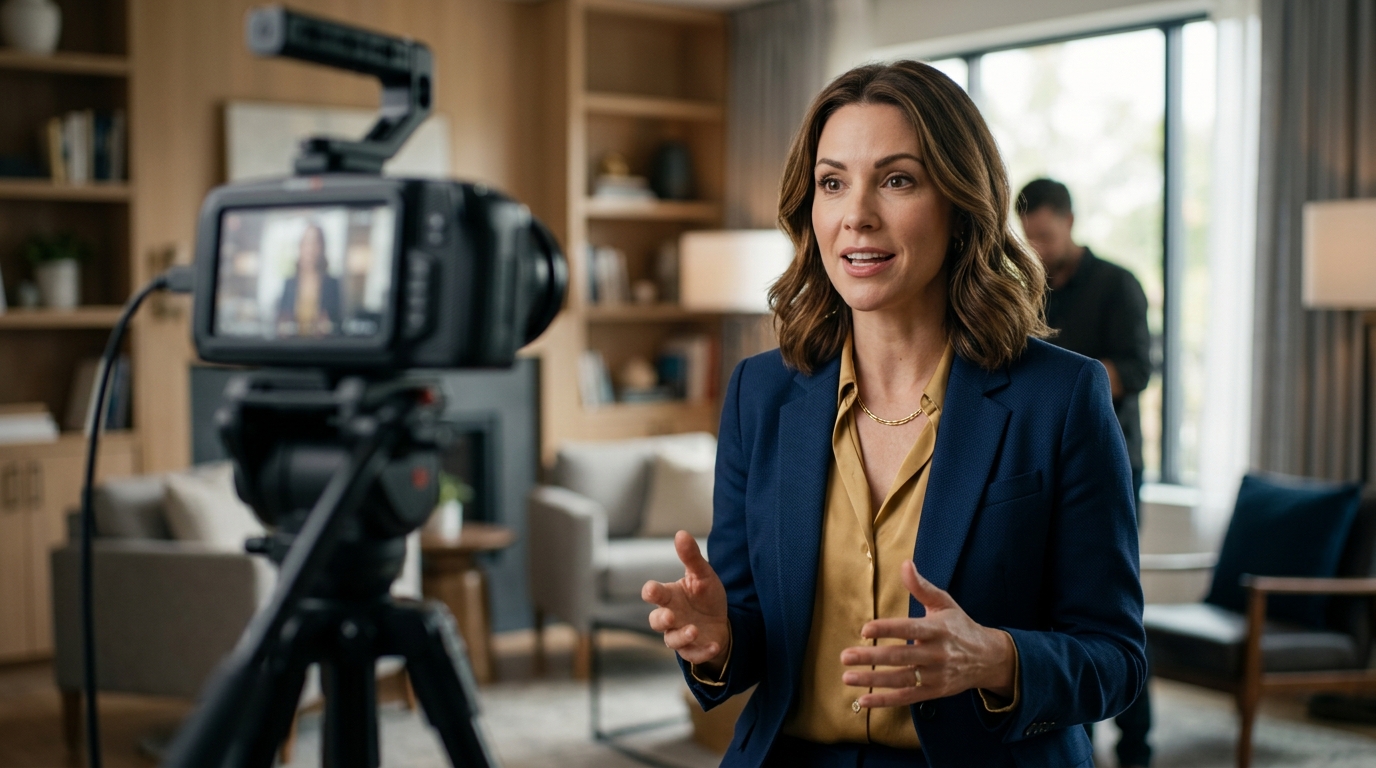
In today’s digital landscape, video is no longer optional for business growth. According to recent industry data, video content drives higher engagement rates than text or static images, making it a critical component of any modern marketing strategy. However, simply turning on a camera is not enough. Business owners must master the art of authentic on-camera delivery to build trust and authority. This guide outlines proven strategies to help you connect deeply with your audience and scale your business through strategic visibility. (Inspired Living Video Marketing)
Understanding the Audience Connection
Many business owners struggle with the "Invisible Expert" syndrome. You have world-class services, but your online presence fails to convey your expertise. This gap costs you revenue and allows less-qualified competitors to win simply because they are more visible. Authenticity is the bridge that closes this gap.
Authenticity is the quality of being genuine and real in your communication. When you speak to one person, you speak to many. This principle is foundational to effective video marketing. Instead of broadcasting a generic message, focus on creating a personal connection. Viewers can detect insincerity instantly. If your messaging feels scripted or detached, you lose credibility. To build trust, you must show up as your true self, flaws and all. This vulnerability creates an emotional bond that drives loyalty and conversion.
Consider the difference between a polished corporate ad and a raw, honest testimonial. The latter often performs better because it feels human. Business owners must shift their mindset from "performing" to "connecting." This shift requires understanding your ideal client's pain points and addressing them with empathy. When you align your message with their needs, you stop being just another vendor and become a trusted advisor.
Preparation Techniques for Confidence
Confidence on camera does not happen by accident. It is the result of rigorous preparation. Many entrepreneurs feel overwhelmed by the "how" of video creation. They fear being on-camera or worry about technical complexities. However, a structured system eliminates this anxiety.
Preparation is the process of planning your content, script, and environment before recording. Start by defining your core message. What is the one thing you want your viewer to remember? Write a concise outline rather than a word-for-word script. This approach allows for natural phrasing and prevents a robotic delivery. Use bullet points to guide your thoughts, ensuring you cover all key points without sounding rehearsed.
Another critical preparation step is rehearsing out loud. Reading silently does not prepare your vocal cords for the nuances of speech. Practice your delivery multiple times to find a rhythm that feels natural. Record yourself on your phone and review the footage. Look for areas where you stumble or lose energy. Adjust your pacing and tone accordingly. This iterative process builds muscle memory and reduces on-camera anxiety.
Additionally, prepare your environment to minimize distractions. A cluttered background can distract viewers from your message. Choose a quiet space with good lighting. Ensure your audio is clear, as poor sound quality is a major turn-off for audiences. By controlling these variables, you create a professional setting that enhances your authority.
Delivery Mastery and Body Language
Once you are ready to record, your delivery becomes paramount. Non-verbal cues play a significant role in how your message is received. Your body language, eye contact, and tone of voice all contribute to the overall impact of your video.
Eye contact is the most powerful tool for building connection. Look directly into the camera lens, not at your screen. This simple action simulates eye contact with the viewer, creating a sense of intimacy. Imagine you are speaking to a single friend who needs your help. This mental shift helps you relax and speak more naturally. Avoid looking away frequently, as it can signal uncertainty or disinterest.
Body language also conveys confidence. Sit or stand up straight to project authority. Use hand gestures to emphasize key points, but keep them within the frame. Avoid fidgeting or crossing your arms, which can signal defensiveness. Your facial expressions should match your message. Smile when appropriate, and use varied expressions to keep the viewer engaged. Monotone delivery kills interest, so vary your pitch and pace to maintain energy.
Energy is contagious. If you are bored, your audience will be too. Bring enthusiasm to your topic, even if it is technical. Passion is visible and infectious. When you genuinely care about what you are saying, it shines through the screen. This passion inspires trust and encourages viewers to take action. Remember, your energy level should be slightly higher than in a normal conversation to compensate for the lack of physical presence.
Technical Quality and Lighting
While content is king, technical quality is the crown. Poor video or audio quality can undermine even the best message. Viewers expect a certain level of professionalism, and subpar production can damage your brand's perceived value.
Lighting is the most critical technical element. Good lighting illuminates your face evenly, reducing shadows and enhancing clarity. Natural light is ideal, so position yourself facing a window. If natural light is not available, use a softbox or ring light. Avoid backlighting, which can silhouette you and make your face dark. Proper lighting ensures that your facial expressions are visible, which is crucial for conveying emotion.
Audio quality is equally important. Viewers will tolerate mediocre video if the audio is clear, but they will click away if they cannot hear you. Use an external microphone, such as a lavalier or shotgun mic, to capture crisp sound. Avoid relying on your camera's built-in microphone, which often picks up background noise. Test your audio levels before recording to ensure they are balanced.
Camera angle and framing also matter. Position your camera at eye level to create a natural perspective. Shooting from below can make you look imposing, while shooting from above can make you appear weak. Frame yourself with a little headroom and ensure your shoulders are visible. This standard framing is professional and engaging. By investing in these technical details, you demonstrate respect for your audience's time and attention.
Consistency Strategies for Growth
One video will not transform your business. Consistency is the key to long-term success. Regular video content builds familiarity and trust over time. It keeps you top-of-mind with your audience and positions you as an industry leader.
Develop a sustainable content calendar. Consistency is the practice of producing content at regular intervals. Start with a frequency you can maintain, such as one video per week. It is better to post consistently at a manageable pace than to burn out by trying to post daily. Plan your content in advance to reduce stress and ensure variety. Mix different formats, such as tutorials, testimonials, and behind-the-scenes clips, to keep your audience engaged.
Repurpose your content to maximize efficiency. A single long-form video can be broken down into multiple short clips for social media. This strategy extends the reach of your message without requiring additional production effort. Use captions to make your content accessible to viewers who watch without sound. Engage with your audience by responding to comments and questions. This interaction builds community and loyalty.
Track your performance metrics to refine your strategy. Analyze which videos generate the most engagement and conversions. Use these insights to improve future content. Remember, growth is a marathon, not a sprint. Stay committed to your vision, and the results will follow. As you become more comfortable on camera, your delivery will naturally improve, leading to greater impact and sales.
Key Takeaways
- Authenticity builds trust: Viewers connect with genuine personalities, not polished personas.
- Preparation reduces anxiety: Outlining your message helps you speak naturally and confidently.
- Eye contact creates intimacy: Looking at the lens simulates a personal conversation.
- Lighting enhances clarity: Proper lighting ensures your facial expressions are visible and professional.
- Audio quality is critical: Clear sound is more important than high-definition video for retention.
- Consistency drives growth: Regular content builds authority and keeps you top-of-mind.
- Energy is contagious: Enthusiasm in your delivery inspires viewer engagement.
Frequently Asked Questions
How can I overcome camera shyness?
Start by recording short, low-stakes videos for yourself. Practice speaking directly to the lens to simulate eye contact. Gradually increase the length and complexity of your videos as your confidence grows. Remember, preparation is key to reducing anxiety.
What is the best lighting setup for beginners?
Natural light from a window is the best and most affordable option. Position yourself facing the window to ensure even illumination. If natural light is not available, a simple ring light or softbox can provide professional results.
How often should I post video content?
Consistency is more important than frequency. Start with one video per week and adjust based on your capacity. Regular posting keeps your audience engaged and builds trust over time.
Do I need expensive equipment to start?
No, you can start with a smartphone and natural light. Focus on clear audio and good lighting before investing in expensive gear. Many successful video marketers begin with minimal equipment.
How do I make my videos more engaging?
Use varied pacing, facial expressions, and hand gestures. Speak with enthusiasm and imagine you are talking to a single person. Keep your videos concise and focused on the viewer's needs.
What is the most important element of on-camera delivery?
Authenticity is the most important element. Viewers can detect insincerity, so being genuine and relatable is crucial for building trust and connection.
How can I improve my audio quality?
Use an external microphone, such as a lavalier mic, to capture clear sound. Record in a quiet space and avoid background noise. Test your audio levels before each recording.
Start Your Video Journey
Ready to transform your business through the power of video? Stop letting less-qualified competitors win simply because they are more visible. Join the community of entrepreneurs who are rising above the noise with high-converting, authentic video content. Book a 15-minute connection call today to discuss your goals and discover how we can help you build trust, authority, and revenue. Visit our services page to learn more about our tailored solutions. Explore our Broadcast Your Brilliance Pro program for structured support. Connect with us on our events page for live opportunities. Discover more insights on our ILTV channel.