

Video marketing strategy is a systematic framework that aligns production workflows with audience psychology to drive measurable business growth. Recent industry reports indicate that video content drives over eighty percent of all internet traffic, making it the dominant medium for digital engagement. Organizations that prioritize authentic storytelling consistently outperform competitors who rely on static text or generic promotional material. This guide outlines the exact operational steps required to build a scalable video system that converts viewers into loyal clients. (Inspired Living Video Marketing)
Define Your Core Audience and Messaging Goals
Successful video campaigns begin with precise audience mapping. You must identify the exact pain points, aspirations, and consumption habits of your ideal client. Audience resonance is the psychological alignment between your brand messaging and the viewer's core motivations. When your content mirrors their internal dialogue, trust accelerates naturally. Start by auditing your existing customer data to identify recurring objections and desired outcomes. Map these insights to specific video formats that match their current stage in the buyer journey. High-converting video content requires emotional precision, not just technical quality. Focus on solving one critical problem per video to maintain viewer attention and reduce cognitive friction.
Overcome the Content Bottleneck with Scalable Assets
Content bottleneck is the operational delay that occurs when production workflows cannot match distribution demands. Many businesses struggle to publish consistently because they treat every video as a custom project. You must implement a modular production system that allows rapid iteration without sacrificing quality. Repurpose core messaging into short-form clips, long-form interviews, and static graphics to maximize reach across platforms. This approach eliminates the need for constant brainstorming and keeps your sales pipeline fueled. Establish a recurring content calendar that aligns with your quarterly business objectives. When you speak to one viewer with purpose, you effectively speak to thousands across multiple touchpoints.
Bridge the Authority Gap Through Consistent Visibility
Many service providers possess world-class expertise but suffer from an invisible expert status. This occurs when technical excellence is not paired with strategic public visibility. You must position your brand as the definitive authority in your niche by maintaining a predictable publishing schedule. Consistency signals reliability to both search algorithms and human buyers. Feature client success stories, behind-the-scenes operational insights, and industry commentary to demonstrate real-world competence. Regular video publication builds a compounding trust asset that competitors cannot easily replicate. Leverage platform-specific features like live streaming or interactive polls to deepen community engagement. Your visual brand must reflect the premium tier of service you actually deliver.
Structure High-Converting Video Funnels
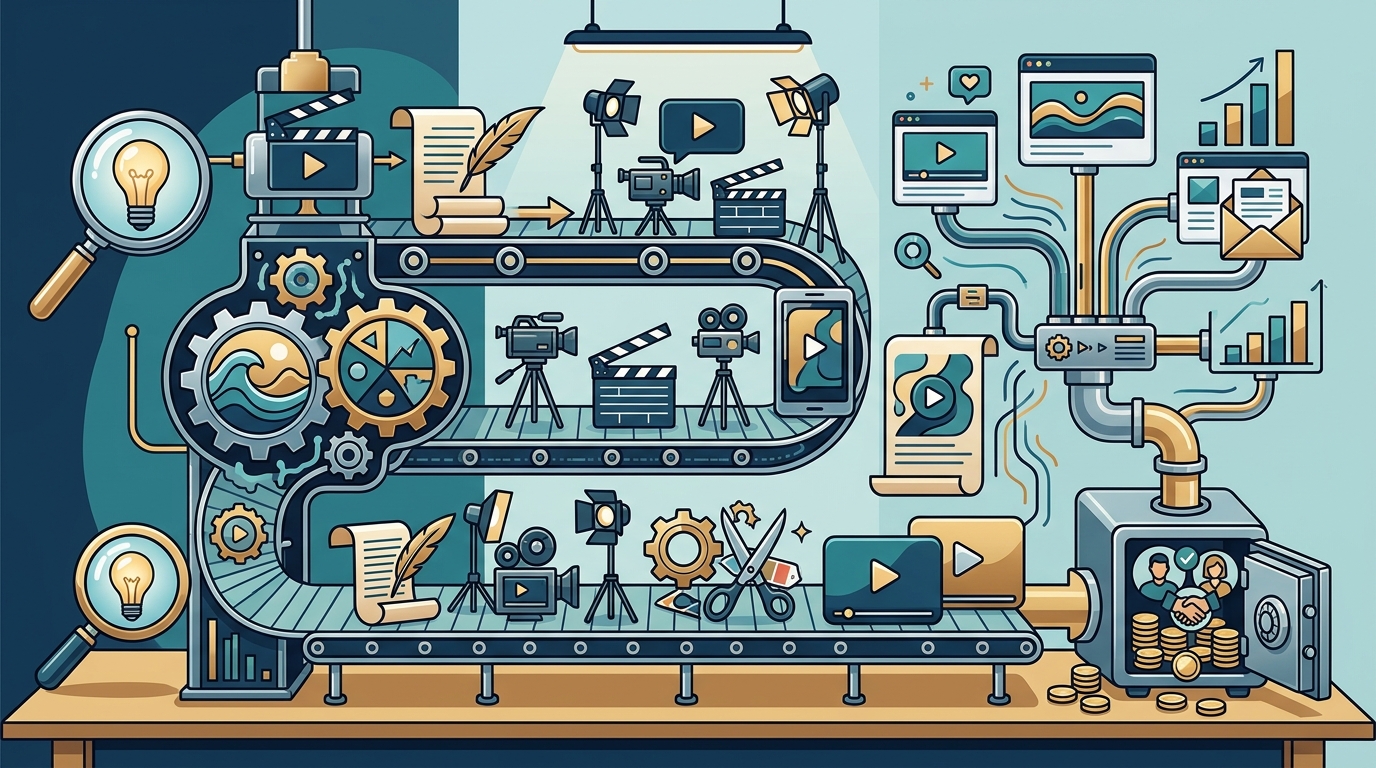
Visibility without conversion is merely entertainment. You must architect a clear pathway that guides viewers from passive consumption to active engagement. Top-of-funnel videos should focus on education and problem identification. Middle-funnel content must address specific objections and showcase your unique methodology. Bottom-funnel assets should deliver clear calls to action that direct prospects to your primary conversion point. Integrate these videos into landing pages, email sequences, and social media campaigns for maximum reach. A well-structured funnel reduces friction and increases the likelihood of booking qualified consultations. Track viewer drop-off points to refine pacing and messaging density.
Measure Performance and Iterate for Growth
Data-driven optimization separates amateur creators from professional marketers. You must establish clear key performance indicators before launching any campaign. Average watch time, click-through rates, and conversion attribution should dictate your next production cycle. Analyze which topics generate the highest engagement and double down on those themes. Remove underperforming formats that drain resources without delivering returns. Continuous testing ensures your strategy adapts to shifting platform algorithms and audience preferences. Scale your budget toward the highest-performing video assets to maximize return on investment.
Video Format Comparison Matrix
| Format Type | Primary Use Case | Production Complexity | Best Platform |
|---|---|---|---|
| Short-form clips | Awareness and social sharing | Low | Instagram, TikTok, YouTube Shorts |
| Long-form tutorials | Education and trust building | Medium | YouTube, Website Landing Pages |
| Live Q&A sessions | Real-time engagement and lead capture | Medium | LinkedIn, Facebook, Zoom |
| Client testimonials | Social proof and conversion | Low | Website, Email Campaigns |
Key Takeaways
- Video content now drives over eighty percent of global internet traffic across all demographics.
- Modular production workflows eliminate the content bottleneck and enable consistent publishing schedules.
- Consistent visibility directly correlates with increased brand authority and higher conversion rates.
- Structured video funnels guide viewers from passive observation to active consultation requests.
- Platform-specific optimization ensures maximum reach and algorithmic favorability.
- Continuous data analysis allows marketers to reallocate budgets toward high-performing assets.
- Authentic storytelling consistently outperforms highly polished but emotionally disconnected production.
Frequently Asked Questions
How long should my initial video marketing strategy take to implement?
A foundational strategy typically requires four to six weeks for research, scripting, and initial production. This timeline allows you to establish brand guidelines, record core messaging, and set up distribution workflows. Adjust the schedule based on your team size and existing asset library.
What is the most important metric to track for video success?
Watch time and audience retention consistently outweigh raw view counts. These metrics indicate whether your content delivers genuine value and maintains viewer interest throughout the entire duration.
Can small businesses compete with larger brands using video marketing?
Absolutely. Authentic storytelling and niche expertise often outperform massive production budgets. Viewers prioritize relatability and clear problem-solving over cinematic quality.
How frequently should I publish new video content?
Consistency matters more than volume. A sustainable schedule of two to four videos per month typically yields optimal results. Focus on quality and strategic alignment rather than daily posting.
What equipment do I need to start producing professional videos?
Modern smartphones paired with basic lighting and a dedicated microphone are sufficient for initial campaigns. Invest in audio quality first, as viewers will forgive minor visual imperfections but abandon poor sound immediately.
How do I repurpose existing video content for maximum reach?
Extract key quotes, create short-form clips, and transcribe audio for blog posts. This multi-format approach extends the lifespan of every production dollar.
Ready to Scale Your Visibility?
Stop letting less-qualified competitors win simply because they are more emotionally connected to your market. Our proven frameworks help you build high-converting video assets that sell for you twenty-four hours a day. Book your 15-minute connection call today to discuss how strategic video marketing can accelerate your revenue growth.