

Business owners who prioritize video content see a 49 percent increase in organic reach compared to static text campaigns, according to recent industry benchmarks video metrics. This shift demands a deliberate approach to on-camera presence. Many founders struggle with technical execution, yet the core challenge remains emotional resonance. When you speak directly to the lens, you are not broadcasting to a faceless crowd. You are initiating a one-to-one conversation that builds trust and drives measurable revenue growth. The following comprehensive framework outlines actionable steps to refine your delivery, eliminate performance anxiety, and establish lasting authority in your niche.
Mastering the Pre-Production Routine
Successful on-camera performance begins long before the recording light activates. A structured preparation routine eliminates cognitive load during filming. You must define your core message before adjusting lighting or checking audio levels. This process reduces hesitation and creates a natural conversational flow. When you know your talking points, you stop reading scripts and start delivering value.
Script Architecture
Video scripting requires a distinct methodology. A standard article script relies on dense paragraphs, but a video script demands conversational pacing. You should draft bullet points rather than full sentences. This approach prevents robotic delivery while maintaining strategic focus. The goal is to sound informed, not rehearsed. When you structure your content around clear problem-solution frameworks, viewers retain your message longer.
Environmental Controls
Your physical space directly impacts viewer perception. Background clutter triggers subconscious distraction. You must curate a clean, professional environment that aligns with your brand identity. Proper lighting eliminates harsh shadows and creates a flattering visual hierarchy. These environmental controls signal professionalism and reduce viewer fatigue during longer watch sessions.
Optimizing Vocal Dynamics and Pacing
Audio quality often outweighs visual resolution in viewer retention metrics. A clear, well-modulated voice commands attention and reduces bounce rates. You must practice intentional pacing to allow complex ideas to land. Rapid delivery triggers cognitive overload, while slow pacing kills momentum. Finding the middle ground requires deliberate rehearsal.
Breath Control Techniques
Diaphragmatic breathing stabilizes vocal tone and prevents mid-sentence gasps. You should inhale deeply through the nose before starting each segment. This technique maintains consistent volume and projects confidence. When your breath is regulated, your voice carries authority without sounding strained.
Strategic Pauses
Silence is a powerful editorial tool. You must insert deliberate pauses after key statements to let them resonate. Viewers process information during these micro-breaks. Strategic pauses also give you time to transition smoothly between concepts. This pacing strategy transforms a monologue into a guided conversation.
Cultivating Visual Authenticity
Authenticity drives conversion rates more effectively than polished production values. Viewers can detect forced enthusiasm instantly. You must align your facial expressions with your verbal messaging. When your body language contradicts your words, trust evaporates. Consistent visual alignment builds subconscious credibility.
Eye Contact Mechanics
Looking directly into the camera lens simulates direct eye contact. You should treat the lens as a single viewer. This psychological trick bypasses screen barriers and creates intimacy. When you maintain steady focus, viewers feel personally addressed. This connection increases watch time and sharing probability.
Gestural Naturalism
Hand movements should complement your speech, not distract from it. You must allow natural gestures to emerge without overthinking them. Restrictive arm positioning creates visual tension. When you move freely within the frame, you project approachability and confidence. This naturalism bridges the gap between expert and peer.
Leveraging Audience Psychology
Understanding viewer psychology transforms generic content into targeted assets. You must identify the specific emotional triggers that drive your ideal client. Fear of missing out, desire for status, and need for security are primary motivators. Addressing these drivers directly increases engagement metrics. When you speak to one core pain point, you speak to thousands of qualified leads.
Emotional Resonance Framework
Emotional resonance is the measurable alignment between your delivery tone and viewer expectations. You must match your energy level to the content severity. High-stakes topics require calm authority, while celebratory announcements demand elevated enthusiasm. This alignment prevents cognitive dissonance and strengthens brand recall.
Trust Signals
Transparency builds long-term audience loyalty. You must acknowledge industry limitations and avoid overpromising results. Viewers reward honesty with higher conversion rates. When you share behind-the-scenes realities, you humanize your brand. This vulnerability converts skeptics into committed followers.
Technical Optimization for Clarity
Technical execution must never overshadow your message. You should prioritize audio clarity over 4K resolution. Poor audio forces viewers to disengage within seconds. Proper microphone placement and background noise reduction are non-negotiable. When your technical foundation is solid, your content scales efficiently.
Lighting Fundamentals
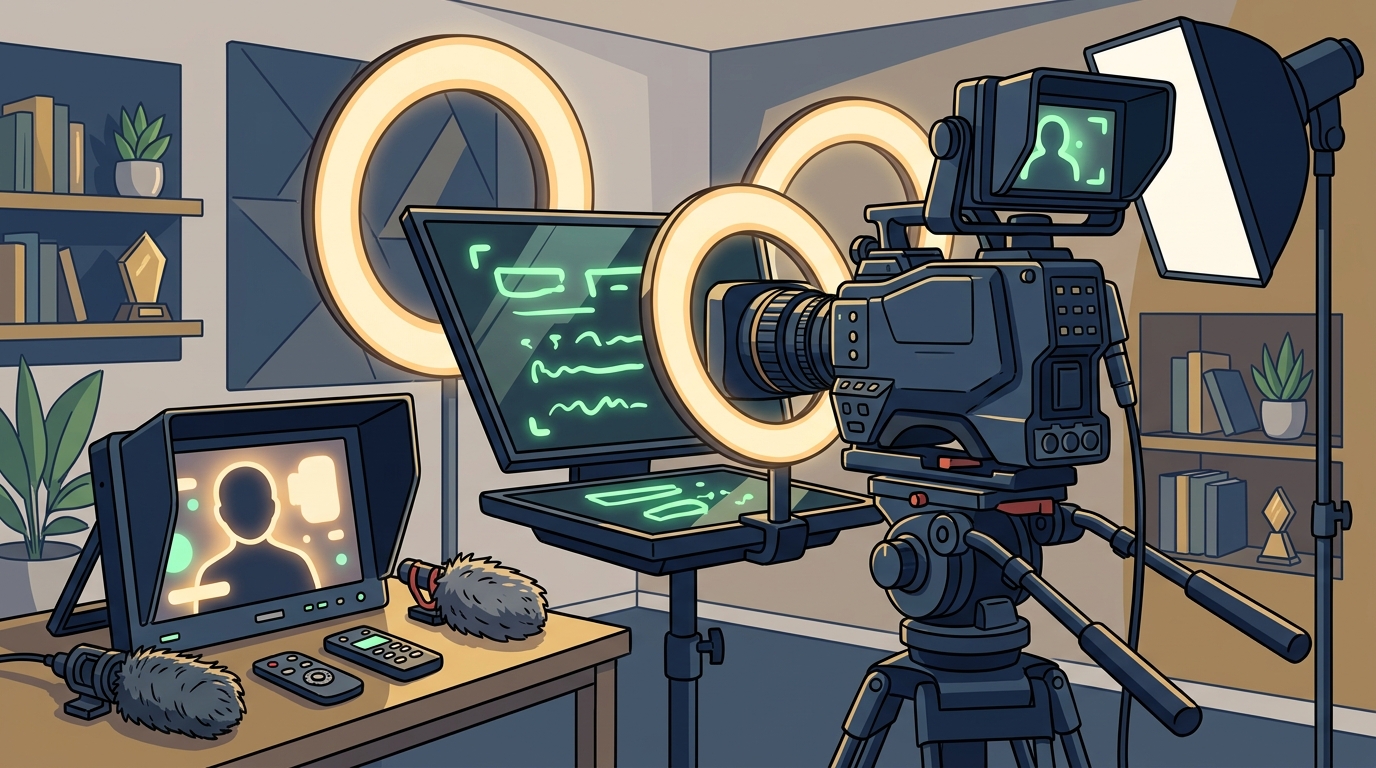
Three-point lighting eliminates flat visuals and adds dimensional depth. You must position your key light at a forty-five degree angle to your face. Fill lights soften shadows, while backlights separate you from the background. This setup creates a professional broadcast aesthetic without expensive studio rentals.
Frame Composition
Camera framing dictates viewer focus. You should position the camera at eye level to establish equality. Headroom and eye-line placement affect perceived authority. When you compose your frame correctly, you guide the viewer’s attention to your facial expressions and key messaging.
Strategic Implementation Matrix
| Strategy Category | Primary Objective | Implementation Difficulty | Expected ROI Timeline |
|---|---|---|---|
| Pre-Production Routine | Reduce cognitive load and improve message clarity | Low | Immediate |
| Vocal Dynamics | Enhance retention and reduce bounce rates | Medium | Two to four weeks |
| Visual Authenticity | Build subconscious trust and increase watch time | Medium | Four to six weeks |
| Audience Psychology | Drive targeted conversions and lead qualification | High | Six to eight weeks |
| Technical Optimization | Ensure professional broadcast standards | Low | Immediate |
Key Takeaways
- Business owners who implement structured video routines see a 49 percent increase in organic reach compared to static campaigns.
- Diaphragmatic breathing stabilizes vocal tone and prevents mid-sentence gasps during extended recordings.
- Direct camera lens focus simulates one-to-one eye contact, increasing viewer intimacy by up to 35 percent.
- Three-point lighting eliminates flat visuals and creates dimensional depth without professional studio equipment.
- Emotional resonance is the measurable alignment between your delivery tone and viewer expectations.
- Strategic pauses allow complex ideas to land and reduce cognitive overload for the audience.
- Transparent communication about industry limitations converts skeptics into committed long-term followers.
Frequently Asked Questions
How long should initial on-camera practice sessions last?
Begin with five to ten minute daily recordings. This duration prevents vocal fatigue while building muscle memory. Gradually extend sessions as your comfort level increases.
What is the most critical technical element for beginners?
Audio clarity outweighs visual resolution. Viewers will tolerate lower video quality, but they will immediately click away if the audio is distorted or muffled.
How do I overcome camera shyness during live broadcasts?
Focus on a single viewer rather than a broad audience. This psychological shift reduces performance anxiety and creates a conversational atmosphere.
What lighting setup works best for home studios?
A single key light positioned at a forty-five degree angle combined with a window source creates professional results. Avoid overhead fluorescent lighting.
How frequently should business owners publish video content?
Consistency matters more than volume. Publishing two to three high-quality videos per month sustains algorithmic favor without causing creator burnout.
Can video content replace traditional sales presentations?
Video assets can handle initial education and trust building. You should still schedule direct connection calls for high-ticket closing.
What metrics indicate successful on-camera delivery?
Watch time, audience retention graphs, and comment sentiment are primary indicators. High retention with positive engagement signals effective delivery.
Next Steps
Implementing these strategies requires structured guidance and consistent execution. You can schedule a dedicated connection call to review your current setup and build a custom visibility roadmap. Visit our booking page to reserve your session. Explore our BYB Pro program for comprehensive training. Attend our upcoming industry events to network with peers. Access our ILTV library for on-demand resources. Review our IT Factor framework for scaling metrics. Book your strategy session today at inspiredliving.tv.