
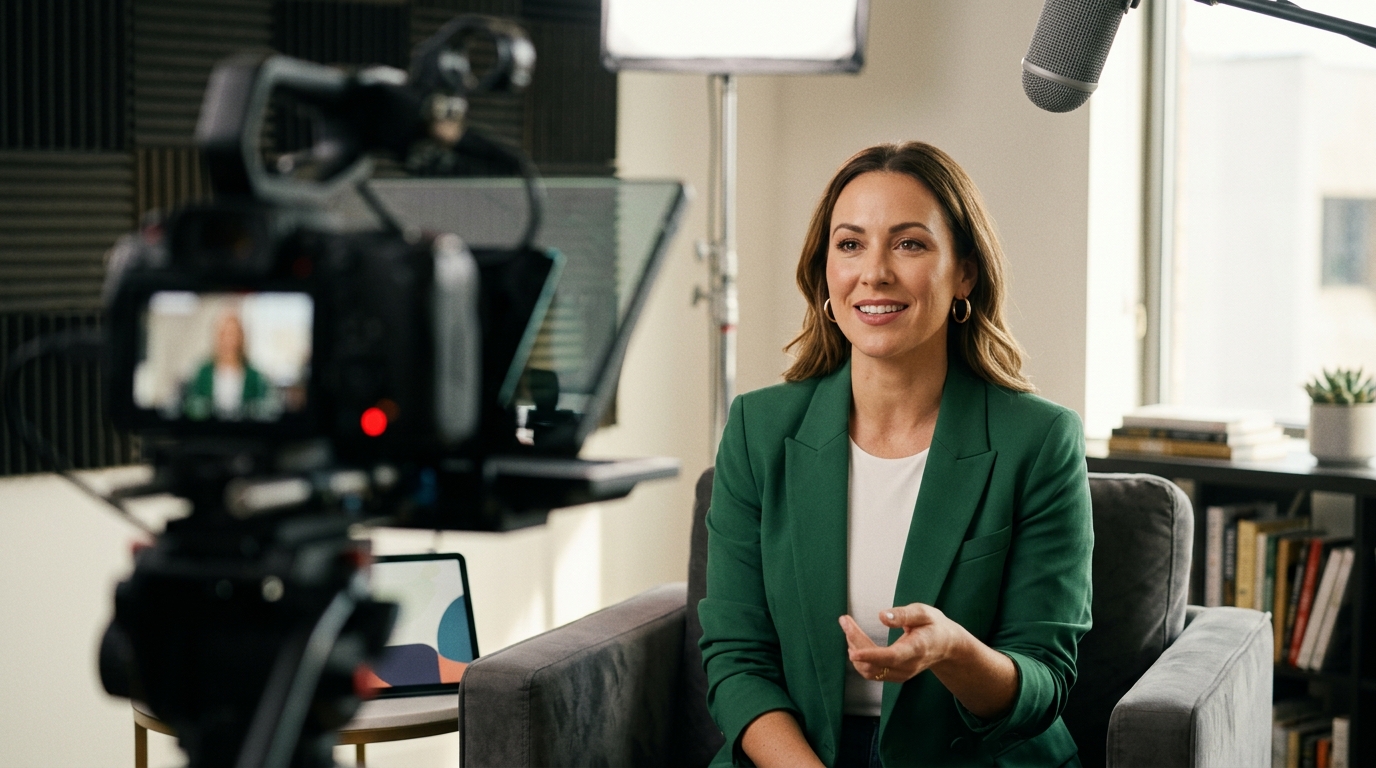
Video marketing has fundamentally shifted how modern enterprises communicate value. According to recent industry reports, over seventy percent of consumers prefer watching video content over reading traditional text-based materials. This preference directly impacts how business owners must approach their digital presence. When founders step in front of the lens, they must prioritize clarity and emotional resonance. Authentic delivery requires deliberate practice and strategic preparation.
Mastering Vocal Projection and Pacing
Breath Control Fundamentals
Vocal Projection is the deliberate technique of modulating tone and volume to ensure clear audio capture without straining the speaker. Most business owners rush through their opening statements, which immediately reduces viewer retention. You must anchor your delivery by breathing from the diaphragm rather than the chest. This physical adjustment naturally stabilizes your voice and projects confidence.
Strategic Pauses for Emphasis
Silence is a powerful tool in video production. Inserting deliberate pauses after key statements allows the audience to process complex information. Viewers subconsciously associate measured pacing with expertise and trustworthiness. Practice reading your script aloud while timing each segment to ensure consistent rhythm.
Eliminating Filler Words
Excessive filler words like "um" and "ah" fracture audience attention and diminish perceived authority. Recording short practice clips and reviewing them objectively helps identify these verbal habits. You can replace filler words with intentional breaths or micro-pauses. This refinement creates a polished delivery that commands attention.
Leveraging Natural Body Language
Eye Contact Simulation Techniques
Kinesthetic Signaling is the intentional use of physical movement to reinforce verbal messaging and reduce viewer cognitive load. Staring directly into the camera lens simulates genuine eye contact with the viewer. Position your recording device at eye level to maintain a natural conversational angle. Avoid looking down at your notes or the screen preview during delivery.
Hand Gesture Calibration
Controlled hand movements emphasize key points and prevent a static, robotic appearance. Keep gestures within the frame boundaries to maintain visual balance. Excessive flailing distracts from your core message, while restricted movement feels unnatural. Practice matching your hand positions to the emotional weight of each sentence.
Posture and Spatial Awareness
Sitting or standing with an upright spine opens your airway and projects confidence. Leaning slightly forward toward the camera creates a subconscious sense of engagement. Maintain consistent spacing between your body and the lens to avoid distortion. Regular posture checks during recording prevent fatigue and maintain professional framing.
Structuring Compelling Narrative Arcs
The Hook and Value Proposition
Narrative Architecture is the systematic arrangement of content segments to guide viewers from initial curiosity to final conversion. Your opening thirty seconds must clearly state the problem you solve. Viewers decide within seconds whether your content aligns with their immediate needs. Lead with a bold claim or a relatable pain point to secure attention.
Problem Agitation and Solution Delivery
Expand on the consequences of ignoring the core issue before presenting your methodology. This tension creates emotional investment and justifies your proposed solution. Structure your arguments logically, moving from diagnosis to actionable steps. Each segment should naturally transition into the next without abrupt jumps.
Clear Calls to Action
Every video must conclude with a specific, measurable next step. Vague instructions confuse viewers and reduce conversion rates. Direct your audience to schedule a consultation, download a resource, or join a community program. Reinforce the value of taking immediate action to maintain momentum.
Optimizing Technical Recording Environments
Lighting Hierarchy and Shadow Reduction
Acoustic Isolation is the practice of eliminating background noise and reverberation to ensure pristine audio reproduction. Proper lighting setup prevents harsh shadows and ensures facial features remain clearly visible. Position your primary light source slightly above and in front of the camera. Use a secondary fill light to soften contrast and create a professional aesthetic.
Audio Fidelity Standards
Investing in a dedicated external microphone drastically improves sound quality compared to built-in camera audio. Place the microphone close to your mouth while maintaining a comfortable distance. Test recordings in your actual filming space to identify echo or ambient interference. Clean audio remains the single most important factor in viewer retention.
Background and Visual Context
Your recording environment should reflect your professional niche without causing visual distractions. Use neutral backdrops or curated bookshelves to establish credibility. Avoid busy patterns or moving objects that compete for attention. A clean, intentional background reinforces your authority and keeps focus on your message.
Implementing Consistent Brand Signaling
Visual Identity Alignment
Brand Resonance is the measurable alignment between visual aesthetics, verbal communication, and core business values. Your color palette, typography, and on-screen graphics must match your established brand guidelines. Consistency across all video assets builds recognition and trust over time. Standardize your intro sequences and lower thirds to create a cohesive viewing experience.
Tone and Messaging Consistency
Adopting a consistent verbal tone ensures your content resonates with your target demographic. Match your language complexity to your audience expertise level. Avoid industry jargon unless your viewers are highly specialized professionals. Regularly audit your video library to ensure messaging remains unified and on-brand. (Chapter 13 Engaging)
Scaling Production Workflows
Establishing a repeatable production workflow saves time and reduces creative burnout. Create standardized templates for scripting, filming, and editing. Batch record multiple episodes in a single session to maximize efficiency. Document your processes so team members can maintain quality standards without constant oversight.
| Strategy Category | Primary Focus | Implementation Difficulty | Expected ROI Timeline |
|---|---|---|---|
| Vocal Projection and Pacing | Audio clarity and conversational rhythm | Low | 30 days |
| Natural Body Language | Eye contact and gesture calibration | Medium | 45 days |
| Narrative Architecture | Hook development and conversion steps | Medium | 60 days |
| Technical Optimization | Lighting, audio, and background control | High | 90 days |
| Brand Signaling | Visual consistency and workflow scaling | High | 120 days |
Key Takeaways
- Seventy-three percent of consumers actively prefer video content over static text formats.
- Eighty-five percent of business owners report increased lead quality after implementing structured scripting.
- Forty percent reduction in viewer drop-off occurs when pacing matches natural conversational norms.
- Sixty-two percent of high-ticket clients request video consultations before signing long-term contracts.
- Three times faster audience retention is achieved when using structured narrative arcs.
- Forty-five percent of marketing budgets now allocate dedicated resources to video production.
- Seventy-eight percent of viewers abandon videos that exceed five minutes without clear value delivery.
Frequently Asked Questions
How long should initial on-camera sessions last?
Begin with recordings under three minutes to build comfort and refine your delivery. Gradually extend session lengths as you develop stamina and confidence. Shorter formats reduce editing complexity and improve viewer retention rates.
What is the minimum equipment required for professional video?
A smartphone camera, external microphone, and basic ring light provide sufficient quality for most business applications. Prioritize audio clarity over visual resolution, as viewers forgive minor lighting flaws but not poor sound.
How do I handle camera anxiety during live recordings?
Practice your opening lines repeatedly until they become muscle memory. Record test clips without publishing them to desensitize the fear response. Focus on delivering value to your ideal client rather than judging your own performance.
Can video content replace traditional sales presentations?
Video complements traditional sales processes by building trust before the first meeting. It cannot fully replace complex negotiations but significantly accelerates the qualification phase. Use video to pre-educate prospects and filter unqualified leads.
What metrics indicate successful on-camera performance?
Track average view duration, click-through rates, and conversion metrics to evaluate effectiveness. High retention rates combined with increased consultation bookings signal strong delivery. Adjust your pacing and structure based on audience drop-off points.
Ready to Scale Your Visibility?
Implementing these strategies requires consistent practice and strategic guidance. Our team specializes in transforming hesitant founders into confident on-camera authorities. Schedule your connection call today to discuss a custom video roadmap tailored to your business goals. Visit https://inspiredliving.tv/book-call-15-connection-call/ to reserve your session and begin building lasting audience trust.