

How to Create a Video Marketing Strategy That Resonates With Your Target Audience
Video is no longer optional for entrepreneurs who want to grow. With 91% of businesses now using video and 84% of consumers saying a brand's video convinced them to buy, the question is not whether you should use video but how to make it connect with the right people. A video marketing strategy is a documented plan that aligns your video content with specific audience needs, business goals, and distribution channels. In this guide, you will learn exactly how to build one from scratch so your message lands, converts, and scales your brand across multiple platforms.
1. Define Your Target Audience With Precision
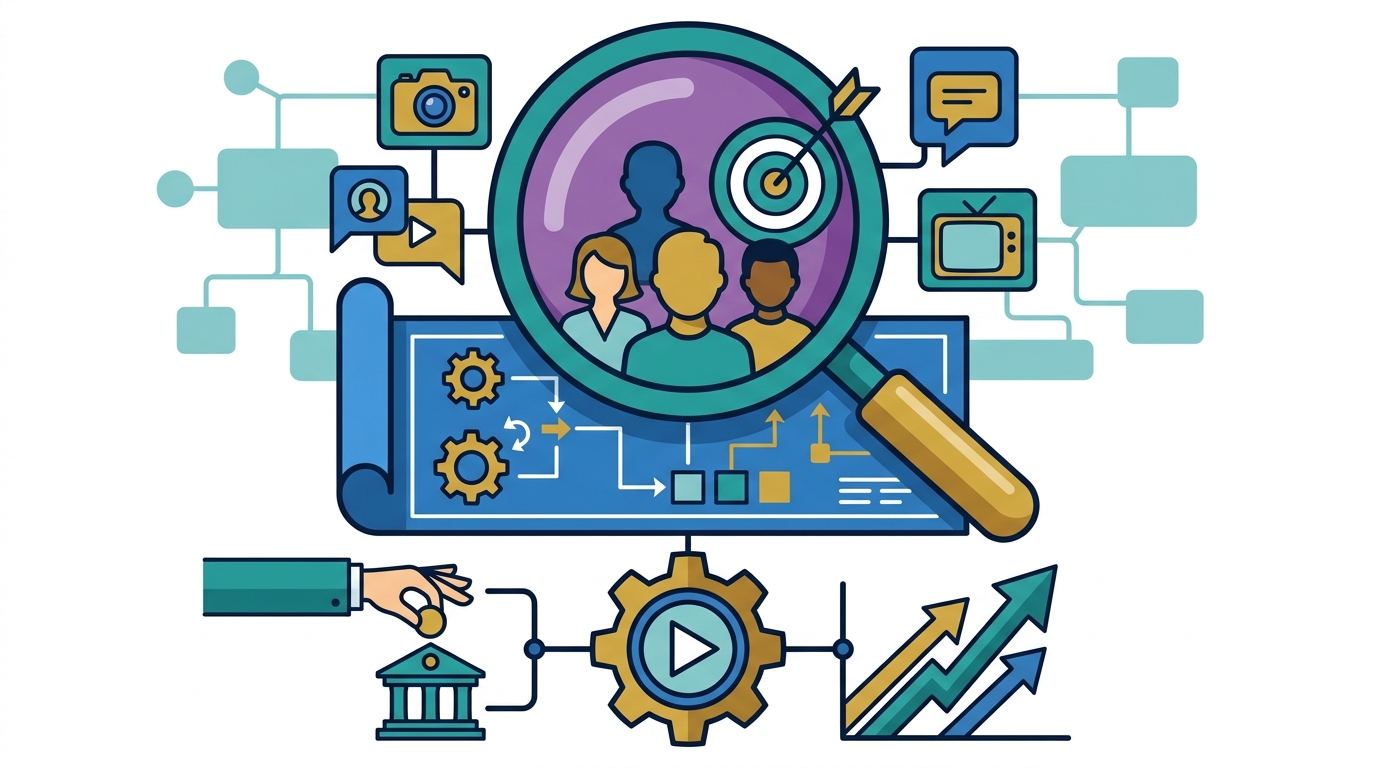
Before you press record, you need crystal clarity on who you are speaking to. A target audience is the specific group of people most likely to benefit from and purchase your product or service. Without this foundation, even beautifully produced videos fall flat.
Build a Detailed Viewer Persona
Go beyond basic demographics. Document your ideal viewer's biggest frustrations, aspirations, and the language they use to describe their problems. As Inspired Living's IT Factor Method™ teaches, your message must resonate with your audience and drive action when you align with their specific needs.
Research Where They Spend Time
Your audience on LinkedIn behaves differently than your audience on Instagram Reels. According to Entrepreneur, a video that goes viral on YouTube can flop on TikTok, so understanding platform habits is essential.
2. Craft a Core Message That Creates Emotional Connection
Your core message is the single idea you want viewers to remember and act on after watching your video. It should address a pain point and offer a clear path forward.
Entrepreneurs often struggle because their on-camera messaging tries to say everything at once. Instead, lead with the problem your audience is trying to solve, then show a believable outcome. This approach keeps viewers engaged and positions you as the trusted guide.
When your messaging creates an emotional connection with your right-fit clients, you become the go-to expert in your space. That shift from generic to magnetic is what separates brands that convert from brands that get ignored.
3. Choose the Right Video Types for Each Stage
Not every video serves the same purpose. Matching video format to buyer journey stage is what turns views into revenue.
| Funnel Stage | Video Type | Goal | Ideal Length |
|---|---|---|---|
| Awareness | Short-form tips, Reels, Shorts | Grab attention, build reach | 15-60 seconds |
| Consideration | Tutorials, behind-the-scenes | Demonstrate expertise | 2-5 minutes |
| Decision | Testimonials, case studies | Build trust, reduce objections | 1-3 minutes |
| Retention | Webinars, series content | Deepen relationship | 10-30 minutes |
| Conversion | Positioning videos, CTAs | Drive purchase or booking | 60-90 seconds |
Explore the five videos essential to your video marketing strategy to understand which types deliver the highest impact for entrepreneurs.
4. Match Content to the Right Platform
Platform optimization is the practice of tailoring your video's format, tone, and pacing to fit each channel's unique audience expectations. Simply reposting the same video everywhere no longer works.
Short-Form Dominance
Short-form video content (15 to 90 seconds) now drives the highest engagement rates across platforms, with viewers 2.5 times more likely to watch a short video to completion compared to longer formats, according to Shout Out Studio's 2026 trends report. Design for mobile-first, vertical consumption as your default.
LinkedIn for Authority
LinkedIn is increasingly important for sharing professional video content, thought leadership, and customer testimonials that establish credibility. If your goal is attracting high-ticket prospects, this platform deserves dedicated video content that speaks to their decision-making process.
5. Use Storytelling to Build Trust and Authority
Storytelling is the art of framing your expertise inside a narrative that makes viewers feel understood. In 2026, audiences are skeptical of vague claims, and brands that connect emotionally outperform competitors chasing trends without substance.
Around 87% of marketers reported increased website dwell time from narrative-led video marketing, according to ImagineArt's research. Small, simple stories with real emotional stakes outperform polished but generic content every time.
Learning to position yourself as the expert on camera starts with sharing what you know confidently. You do not have to be an expert in every aspect. What you know right now can help others who are one step behind you.
6. Repurpose and Distribute Like a Strategist
Creating new content from scratch for every platform is unsustainable. Smart entrepreneurs record once and publish everywhere. A single 10-minute tutorial can be edited into five 60-second tips, each optimized for a different platform while maintaining story continuity.
Learn how to repurpose content across different channels so you reach new audiences without doubling your workload. The key is building a modular edit strategy that includes hooks, proof points, and calls to action as separate beats you can remix.
Plan distribution while you write your script. If you do not plan distribution during production, you end up with one beautiful video and a pile of unusable leftovers.
7. Measure What Matters and Iterate
Views are a vanity metric. In 2026, sophisticated marketers track engagement depth: completion rates, click-through rates, and conversion actions. A video with 2,000 views and a 75% completion rate will outperform one with 10,000 views and 2% completion.
Metrics That Drive Decisions
Use UTM parameters, pixel tracking, and native platform analytics to understand how video moves viewers through your funnel from awareness to conversion. Video marketers who track these deeper signals see 66% more qualified leads per year, according to HubSpot data cited by Shout Out Studio.
Test and Improve Weekly
Run your measurement loop for 8 to 12 weeks before drawing conclusions. Test different hooks, lengths, and calls to action. Then double down on what your specific audience responds to.
Key Takeaways
- Define your ideal viewer's pain points, language, and platform habits before creating any content.
- Lead every video with the problem your audience is trying to solve, not your features.
- Match video types to funnel stages: short-form for awareness, testimonials for decisions, positioning videos for conversions.
- Optimize format, tone, and pacing for each platform rather than cross-posting the same clip.
- Use storytelling and emotional connection to build authority and trust that drives sales.
- Repurpose one long video into multiple short-form clips to maximize reach without extra production time.
- Track completion rates, click-throughs, and conversions instead of views alone.
Frequently Asked Questions
What is a video marketing strategy?
A video marketing strategy is a structured plan that outlines the types of video content you will create, who you will create it for, where you will distribute it, and how you will measure results. It ties video production directly to business goals like lead generation, brand awareness, or sales.
How long should my marketing videos be?
It depends on the platform and funnel stage. Short-form videos of 15 to 60 seconds work best for awareness on TikTok, Reels, and Shorts. Tutorials and webinars can run 5 to 30 minutes when your audience is actively seeking deeper information.
Do I need expensive equipment to start?
No. A smartphone, good lighting, and clear audio are enough to start creating effective video content. Authenticity and a clear message matter more than production budget, especially for entrepreneurs just beginning their video journey.
How often should I post videos?
Aim for 3 to 5 short-form videos weekly plus one longer-form video every two weeks. Consistency matters more than perfection. The goal is to build a library of content that works for you around the clock.
What is the biggest mistake entrepreneurs make with video?
Trying to speak to everyone instead of a specific audience. When your message is too broad, it resonates with no one. Niche down, speak directly to your ideal client's problems, and your videos will instantly stand out.
How do I get comfortable on camera?
On-camera confidence comes from preparation and practice. Programs like the IT Factor Method™ help entrepreneurs master their on-camera presence through mindset training, messaging clarity, and real-world practice in just two days.
Can video really help me rank higher on Google?
Yes. Websites with video content are 53 times more likely to rank on the first page of Google search results due to improved dwell time and engagement. Embedding video on your landing pages can also boost conversion rates by up to 80%.
Should I go live or use pre-recorded videos?
Both serve different purposes. Live video builds real-time connection and urgency. Pre-recorded content allows you to refine your message and repurpose across platforms. A strong strategy includes both formats. Learn more about choosing between live and pre-recorded content.
Ready to Build Your Video Marketing Strategy?
Your expertise deserves to be seen by the people who need it most. If you are ready to stop guessing and start showing up with confidence, clarity, and a strategy that converts, talk with the Inspired Living team to explore your visibility goals and find the most aligned path forward for your brand.